
Website Designer near me: Find Your Local Web Expert
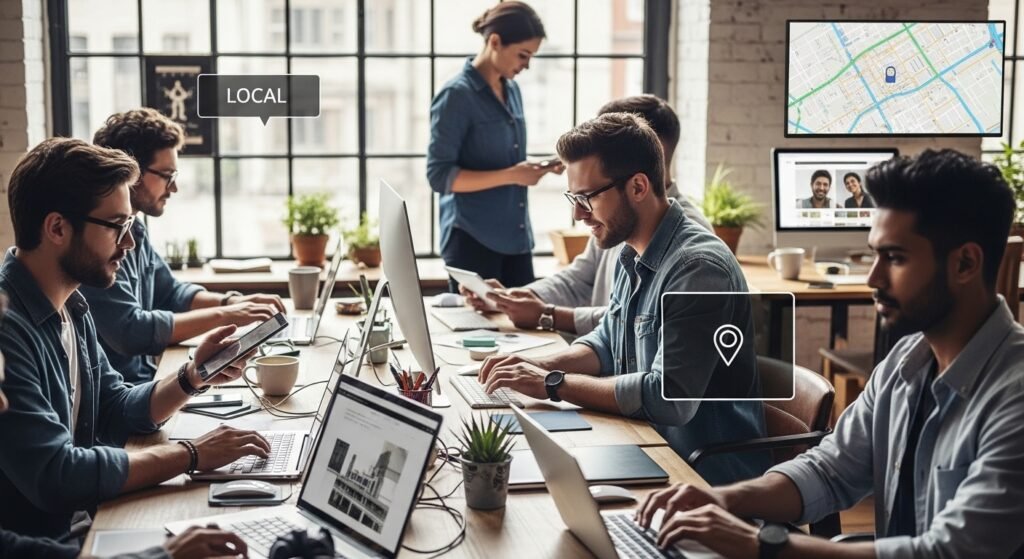
Website Designer near me: Your Local Digital Partner For Online Success
In today’s digital age, a strong online presence is no longer a luxury; it’s a necessity. For businesses and individuals alike, a professional, functional, and aesthetically pleasing website serves as the cornerstone of their digital identity. However, creating such a website requires specialized skills and an understanding of modern web standards. Consequently, many find themselves searching for a “Website Designer near me” to bring their vision to life.
Finding the right local expert offers numerous advantages. It ensures personalized service, clear communication, and a deeper understanding of your regional market. This comprehensive guide will explore the benefits of partnering with a local web designer, what to look for, and the typical process involved in creating a stellar website.
Why Choose a Local Website Designer near me?
Opting for a website designer in your vicinity provides distinct benefits that remote collaborations often lack. Indeed, geographical proximity can significantly enhance the project’s success and your overall experience.
Understanding Your Local Market
Firstly, a local website designer possesses an inherent understanding of the local market dynamics. They are familiar with regional trends, consumer behaviors, and even local competitors. This insight is invaluable for crafting a website that resonates specifically with your target audience. Moreover, they can optimize your site for local SEO, helping you attract nearby customers more effectively.
Personalized Communication and Collaboration
Furthermore, face-to-face meetings can streamline the design process significantly. You can easily schedule in-person consultations to discuss your vision, review progress, and provide feedback directly. This level of personal interaction fosters better understanding and collaboration, minimizing miscommunications that might arise in purely virtual settings. Therefore, the ability to meet in person often leads to a more cohesive and satisfying outcome.
Faster Turnaround Times
Local designers often operate within similar time zones, which simplifies scheduling and accelerates project timelines. This means quicker feedback loops and faster iterations, ultimately leading to a more efficient development process. Consequently, your website can go live sooner, allowing you to capitalize on market opportunities without undue delay.
Ongoing Support and Maintenance
Finally, establishing a relationship with a local “Website Designer near me” means easier access to ongoing support and maintenance. Should any issues arise post-launch, or if you require updates and expansions, a local expert can provide prompt assistance. This long-term partnership ensures your website remains current, secure, and fully functional.
Key Qualities of an Excellent Website Designer
When evaluating potential candidates, several critical qualities differentiate a good website designer from a truly exceptional one. Consider these attributes carefully to make an informed decision.
Portfolio and Experience
An impressive portfolio is paramount. It showcases the designer’s style, capabilities, and the range of projects they have completed. Look for diversity in their work, indicating adaptability to different client needs and industries. Additionally, inquire about their experience with businesses similar to yours; this can be a strong indicator of their ability to meet your specific requirements.
Technical Proficiency
Modern web design demands a robust understanding of various technologies. An excellent designer should be proficient in HTML, CSS, JavaScript, and relevant content management systems (CMS) like WordPress. They must also possess knowledge of responsive design principles, ensuring your website functions seamlessly across all devices, from desktops to smartphones. Moreover, familiarity with web accessibility standards is increasingly important.
Design Aesthetic and User Experience (UX)
Beyond technical skills, a designer’s aesthetic sense and understanding of user experience are crucial. They should be able to create visually appealing layouts that are intuitive and easy to navigate. A good UX ensures visitors have a positive experience, encouraging them to stay longer and engage with your content. Therefore, evaluate their ability to balance beauty with functionality.
Communication Skills
Effective communication is vital throughout the entire project. A good designer will actively listen to your needs, clearly explain technical concepts, and keep you updated on progress. They should be responsive to your queries and proactive in offering solutions or suggestions. Poor communication, however, can lead to misunderstandings and project delays.
SEO Knowledge
While a website designer’s primary role is design, a basic understanding of Search Engine Optimization (SEO) is a significant asset. They should be able to implement SEO-friendly structures, clean code, and fast loading times, which are all crucial for search engine rankings. This foundational SEO knowledge helps ensure your beautifully designed site is also discoverable by your target audience.
The Website Design Process: What to Expect
Understanding the typical stages of website development can help you prepare and collaborate more effectively with your chosen “Website Designer near me.” Generally, the process unfolds in several key phases.
Discovery and Planning
This initial phase involves extensive discussions about your business, goals, target audience, and specific website requirements. The designer will conduct research, analyze competitors, and help define the scope of the project. Consequently, a detailed project plan, including timelines and deliverables, will be established. This foundational step is critical for setting clear expectations.
Design and Development
Next, the designer will create wireframes and mockups, presenting visual representations of your website’s layout and appearance. Upon your approval, they will proceed with the actual coding and development. This stage involves building the website’s structure, implementing functionalities, and ensuring responsiveness across devices. Regularly, the designer will share progress for your review and feedback.
Content Integration
Once the design and development are well underway, your content (text, images, videos) will be integrated into the website. It is imperative that content is optimized for both readability and search engines. Your designer can often provide guidance on content strategy or recommend copywriters if needed. Furthermore, ensuring all media is properly formatted is crucial for site performance.
Testing and Launch
Before going live, the website undergoes rigorous testing. This includes checking for broken links, functionality across different browsers, mobile responsiveness, and overall user experience. Any bugs or issues are identified and resolved during this phase. After your final approval, the website is launched, making it accessible to the public. Therefore, thorough testing is non-negotiable.
Post-Launch Support
Many designers offer post-launch support, which may include training on how to manage your CMS, ongoing maintenance, security updates, and performance monitoring. Discuss these options with your chosen website designer to ensure long-term success. This continued partnership is often invaluable.
Finding the Right Website Designer near me
Locating the ideal local web design professional involves a systematic approach. Here are some effective strategies to help you in your search.
Online Searches and Directories
Begin your search with targeted online queries such as “Website Designer near me + [Your City/Region]”. Utilize local business directories like Yelp, Google My Business, and industry-specific platforms. These resources often provide reviews, portfolios, and contact information, making it easier to compare options. Additionally, social media platforms can sometimes reveal local talent.
Referrals and Networking
Tap into your professional network. Ask fellow business owners, colleagues, or friends if they can recommend a reliable website designer they’ve worked with. Word-of-mouth referrals are often highly trustworthy and can lead you to excellent local talent. Attending local business events can also connect you with designers in your area.
Reviewing Portfolios and Testimonials
Once you have a list of potential candidates, thoroughly review their portfolios. Pay close attention to the quality of their past work, their design style, and their technical capabilities. Furthermore, read client testimonials and online reviews to gauge their professionalism, communication skills, and client satisfaction. A strong track record is a good indicator of future success.
Initial Consultations
Schedule initial consultations with your top choices. This is your opportunity to discuss your project in detail, ask questions, and assess their understanding of your needs. Pay attention to their communication style, enthusiasm, and whether they seem to be a good cultural fit for your business. A good consultation should leave you feeling confident and informed.
Investment in a Professional Website
Understanding the cost associated with professional web design is crucial. While it represents an upfront investment, the long-term returns are substantial.
Understanding Pricing Models
Website design costs can vary widely based on complexity, features, and the designer’s experience. Designers typically charge hourly rates, project-based fees, or offer package deals. Be sure to get a clear, detailed quote that outlines all services included and any potential additional costs. Remember, the cheapest option isn’t always the best; value often lies in quality and comprehensive service.
Long-Term Value
Investing in a professionally designed website pays dividends in the long run. It enhances your brand credibility, improves user experience, and drives conversions. A well-built site is an asset that works for your business 24/7, generating leads and sales. Therefore, view it not as an expense, but as a strategic investment in your business’s future growth and success.
Conclusion
Securing the services of a skilled “Website Designer near me” is a pivotal step toward establishing a robust and effective online presence. The advantages of local collaboration, including market understanding, personalized communication, and ongoing support, are undeniable. By carefully evaluating a designer’s portfolio, technical prowess, design aesthetic, and communication skills, you can find a partner capable of transforming your digital aspirations into reality. Remember, a professional website is a significant investment, but its long-term value in enhancing brand credibility and driving business growth makes it an indispensable asset in today’s competitive landscape.
Visit About Us page to contact or Through WhatsApp.
Your journey starts here — and we’re ready to help you with every step of the way.
Frequently Asked Questions (FAQ)
Q1: How long does it typically take to design a website?
A1: The timeline for website design varies greatly depending on the project’s complexity, the number of pages, and the features required. A simple brochure website might take 4-6 weeks, whereas a more complex e-commerce site could take 3-6 months or longer. Your website designer will provide a more accurate estimate after the discovery and planning phase.
Q2: What information do I need to provide to my website designer?
A2: To start, you’ll need to provide details about your business, target audience, specific goals for the website, any branding guidelines (logos, colors), and content you already have (text, images). Being organized with your content and clear about your vision will significantly help the design process.
Q3: How much does a professional website designer near me typically cost?
A3: Website design costs can range widely, from a few thousand dollars for a basic site to tens of thousands for highly customized, complex platforms. Factors influencing the price include the designer’s experience, the website’s features, and ongoing maintenance needs. It’s best to request a detailed quote after an initial consultation to understand the specific investment for your project.
